Heat Pump Services in Beaumont, TX
Year-round energy-efficient climate control engineered for Southeast Texas. Connect directly with experienced technicians for heat pump diagnostics, maintenance, and installation.
Direct Field Dispatch Desk
Connect directly with our local response crew. No automated phone trees.
(409) 404-1746Quick Service Highlights — Heat Pump Systems
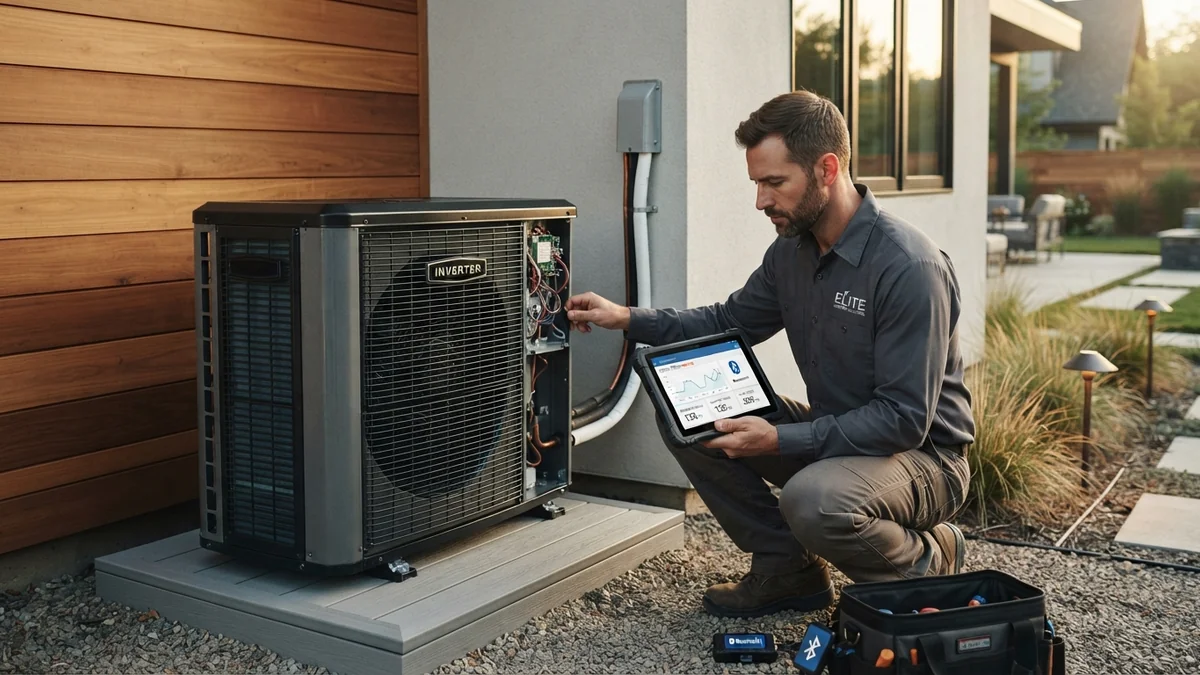
Complete Heat Pump Solutions for Beaumont Property Owners
Along the upper Texas Gulf Coast, selecting the right heating and cooling system requires balancing two very different seasonal demands: long, hot, humid summers with heat indices frequently exceeding 105 degrees Fahrenheit, and brief, mild winters punctuated by sudden coastal cold snaps. In this unique subtropical climate, a modern heat pump is widely considered the most efficient, cost-effective, and versatile HVAC solution available.
As part of our comprehensive HVAC services directory, our heat pump division connects residential homeowners and commercial property managers with qualified, background-vetted technicians who specialize in heat pump diagnostics, precision repairs, and turnkey modernizations. Unlike standard cooling equipment, heat pumps operate year-round, reversing their refrigeration cycle to provide powerful summer cooling and gentle, energy-efficient winter warmth.
Whether your outdoor inverter unit is struggling to switch cycles in Calder Place, an auxiliary heating strip has failed in the West End of Beaumont, or you want to upgrade to a variable-capacity system in Lumberton, our field dispatch network ensures accurate diagnostics, clear project estimates, and code-compliant execution.
How a Heat Pump Works: The Thermodynamic Advantage
To understand why heat pumps excel in Southeast Texas, it is helpful to examine how they function. Traditional heating systems, such as natural gas furnaces or electric baseboard heaters, create heat by burning fossil fuels or energizing high-resistance metal elements. A heat pump does not create heat; instead, it moves thermal energy from one location to another.
+---------------------------------------------------------------------------------------------------+
|                                 HEAT PUMP OPERATIONAL MODES EXPLAINED                             |
+------------------------------+----------------------------------+---------------------------------+
| Operating Mode               | Refrigerant Flow and Mechanics     | Indoor Comfort Outcome          |
+------------------------------+----------------------------------+---------------------------------+
| Summer Cooling Mode          | Refrigerant absorbs indoor heat; | Wrings moisture from indoor     |
|                              | outdoor coil rejects heat outside| air, delivering crisp, cool air |
+------------------------------+----------------------------------+---------------------------------+
| Winter Heating Mode          | 4-way reversing valve switches;  | Extracts ambient heat from      |
|                              | outdoor coil absorbs heat outside| outdoor winter air to warm home |
+------------------------------+----------------------------------+---------------------------------+
| Defrost Cycle                | Temporarily reverses to cooling  | Melts outdoor frost accumulation|
| (Cold Weather Operation)     | to warm outdoor coil; aux strips | without blowing cold indoor air |
+------------------------------+----------------------------------+---------------------------------+
The Role of the Four-Way Reversing Valve
The core component distinguishing a heat pump from a standard air conditioner is the electrically actuated four-way reversing valve. Located in the outdoor condensing unit, this valve changes the direction of refrigerant flow when energized by the indoor thermostat:
- In Cooling Mode, the indoor evaporator coil absorbs heat from your living areas, and the outdoor coil acts as the condenser to reject that heat into the atmosphere.
- In Heating Mode, the reversing valve shifts. The outdoor coil becomes the evaporator, absorbing thermal energy from the outdoor air (even when outdoor temperatures are in the 30s or 40s), while the indoor coil becomes the condenser, releasing that warmth into your duct system.
Because moving heat requires significantly less electricity than generating heat, modern heat pumps deliver up to three to four times more heat energy than the electrical energy they consume, achieving Coefficients of Performance (COP) between 3.0 and 4.0.
To learn more about standard air conditioning systems, explore our AC Repair in Beaumont page.
Why Inverter Heat Pumps Excel in Southeast Texas
While older, traditional single-stage heat pumps operated at fixed speeds, modern systems utilize variable-capacity inverter technology. An inverter heat pump electronically adjusts its compressor speed in minute increments, matching cooling and heating output to your home's exact real-time demand.
+---------------------------------------------------------------------------------------------------+
|                                 INVERTER VS. TRADITIONAL SINGLE-STAGE HEAT PUMPS                  |
+------------------------------+----------------------------------+---------------------------------+
| Feature / Characteristic     | Traditional Single-Stage Unit    | Variable-Speed Inverter System  |
+------------------------------+----------------------------------+---------------------------------+
| Operating Speeds             | Fixed speed: 100% On or 100% Off | Modulates from 25% to 100% speed|
+------------------------------+----------------------------------+---------------------------------+
| Dehumidification Performance | Moderate; short cycles allow     | Exceptional; long, low-speed    |
| (Summer Humidity Defense)    | humidity to rebound between calls| cycles extract gallons of moisture|
+------------------------------+----------------------------------+---------------------------------+
| Electrical Efficiency        | 14.3 to 15.2 SEER2 / 7.5 HSPF2   | 18.0 to 22.0+ SEER2 / 9.5+ HSPF2|
+------------------------------+----------------------------------+---------------------------------+
| Sound Levels                 | Noticeable compressor drone      | Whisper-quiet operation; outdoor|
|                              | upon startup and shutdown        | unit as quiet as 55 decibels    |
+------------------------------+----------------------------------+---------------------------------+
| Temperature Consistency      | 3-to-4 degree indoor swings      | Precise 0.5-degree stability    |
+------------------------------+----------------------------------+---------------------------------+
Superior Summer Humidity Extraction
In Beaumont, relative humidity frequently averages over 80 percent during morning hours. Standard single-stage systems blast cold air into living spaces, satisfying the thermostat in 8 to 10 minutes and shutting down before the evaporator coil can wring out atmospheric moisture.
An inverter heat pump operates at low speeds for extended 20-to-40-minute cycles. This continuous low-volume airflow across a cold coil allows the system to extract gallons of water from the air each day, keeping indoor relative humidity comfortably below 50 percent and preventing the clammy feeling common in Gulf Coast homes.
For additional moisture mitigation strategies, visit our Indoor Air Quality Solutions page.
Common Heat Pump Failure Modes and Diagnostics
Because heat pumps run in both summer and winter, their mechanical components accumulate twice as many operational hours as cooling-only equipment. Our technicians specialize in diagnosing common heat pump issues:
+---------------------------------------------------------------------------------------------------+
|                                 COMMON HEAT PUMP FAILURE MODES                                    |
+------------------------------+----------------------------------+---------------------------------+
| Observable Symptom           | Mechanical Root Cause            | Diagnostic Procedure            |
+------------------------------+----------------------------------+---------------------------------+
| System Stuck in Cooling Mode | Faulty reversing valve solenoid  | Test 24V control signal from "O"|
| When Heating is Selected     | or physically stuck slide valve  | terminal; test solenoid coil    |
+------------------------------+----------------------------------+---------------------------------+
| Outdoor Unit Encased in Solid| Defective defrost control board, | Test defrost sensor resistance; |
| Block of Ice in Winter       | bad thermistor, or bad relay     | manually force defrost cycle    |
+------------------------------+----------------------------------+---------------------------------+
| Auxiliary Heat Strips Running| Failed heat pump compressor, bad | Check staging controls, outdoor |
| Continuously (High Power Bill| outdoor temp sensor, low charge  | thermostat, and amp draws       |
+------------------------------+----------------------------------+---------------------------------+
| Blowing Tepid or Cool Air    | Low refrigerant charge from leak,| Connect digital manifolds; check|
| in Heating Mode              | or restricted expansion valve    | heating subcooling and superheat|
+------------------------------+----------------------------------+---------------------------------+
1. Reversing Valve Failure
If your heat pump blows cold air when the thermostat is set to heat, the four-way reversing valve is often the culprit. Most residential heat pumps in our region use an energized-to-cool (O-terminal) configuration. If the 24-volt solenoid coil fails or the internal teflon slider valve becomes mechanically stuck due to contaminated compressor oil, the system will remain in cooling mode. Our technicians test solenoid electrical resistance and measure temperature differentials across the four valve ports to determine if the valve can be freed or requires replacement.
2. Defrost Board Malfunctions
During winter operation, moisture from cold outdoor air condenses and freezes onto the outdoor coil fins. Heat pumps feature an automated defrost control board that periodically reverses the system back into cooling mode for 5 to 10 minutes to melt this frost, while energizing indoor electric heat strips to keep indoor supply air warm. If a defrost sensor, control board, or relay fails, ice can accumulate until the outdoor fan blades strike the ice, damaging the fan motor.
3. Auxiliary Electric Heat Strip Staging
Most heat pump installations feature secondary electric resistance heat strips inside the air handler to assist during extreme cold snaps or defrost cycles. If control relays stick, these high-wattage heat strips can run continuously alongside normal heat pump operation, causing monthly electric bills to skyrocket. Our technicians verify that auxiliary heat strips only engage when outdoor temperatures drop below the system's economic balance point.
If you suspect your system has heating issues, consult our guide on Furnace and Heating Repair.
Our Comprehensive Heat Pump Diagnostic and Installation Protocol
Whether troubleshooting an existing unit or installing a new high-efficiency system, our participating technicians adhere to rigorous technical standards:
+---------------------------------------------------------------------------------------------------+
|                               HEAT PUMP SERVICE PROTOCOL                                          |
+------------------------------+----------------------------------+---------------------------------+
| Service Category             | Specific Technical Tests         | Long-Term System Benefit        |
+------------------------------+----------------------------------+---------------------------------+
| Reversing Valve and Cycle Check| Measure pressure drop across all | Verifies smooth transition      |
|                              | 4 ports; test solenoid voltage   | between cooling and heating     |
+------------------------------+----------------------------------+---------------------------------+
| Defrost System Calibration   | Test defrost thermistor ohms;    | Prevents outdoor coil freeze-ups|
|                              | verify timed defrost cycle logic | and protects outdoor fan blades |
+------------------------------+----------------------------------+---------------------------------+
| Inverter Electronics Audit   | Measure DC bus voltage, inverter | Safeguards expensive variable-  |
|                              | board output, and motor windings | speed compressor electronics    |
+------------------------------+----------------------------------+---------------------------------+
| Auxiliary Heat Strip Staging | Test sequencer relays, measure   | Prevents unnecessary electric   |
|                              | element amp draw, check limits   | consumption and utility spikes  |
+------------------------------+----------------------------------+---------------------------------+
To learn about replacement procedures and load calculations, explore our AC Installation in Beaumont page.
What Determines Heat Pump Costs in Beaumont?
Investing in a heat pump involves several equipment and installation variables:
+---------------------------------------------------------------------------------------------------+
|                                 HEAT PUMP BUDGETING BREAKDOWN                                     |
+------------------------------+----------------------------------+---------------------------------+
| Investment Factor            | Pricing Impact                   | Practical Explanation           |
+------------------------------+----------------------------------+---------------------------------+
| System Capacity (Tonnage)    | Moderate ($4,000 - $7,000 base)  | Sized precisely to handle summer|
|                              |                                  | cooling and winter heating loads|
+------------------------------+----------------------------------+---------------------------------+
| Efficiency Rating (SEER2)    | High ($1,500 - $4,500 tier bump) | High-SEER2 inverter systems     |
|                              |                                  | feature modulating compressors  |
+------------------------------+----------------------------------+---------------------------------+
| Electrical Panel Capacity    | Moderate ($400 - $1,200)         | Auxiliary heat strips may       |
|                              |                                  | require a dedicated 60A circuit |
+------------------------------+----------------------------------+---------------------------------+
Mandatory Regional Pricing Disclosure: Estimates are for budgeting purposes only. Actual prices vary based on on-site conditions, equipment capacity requirements, duct configuration, and manufacturer specifications in Southeast Texas.
For complete pricing details across common system types, review our AC Installation Cost Breakdown.
Clean-Tech Protocols and Professional Standards
Our participating technicians treat your property with absolute care on every service visit:
- Sanitized Protective Shoe Covers: Technicians slip clean shoe booties over work boots before entering your home.
- Protective Canvas Drop Cloths: Floor runners are placed beneath attic stairs, inside equipment closets, and around tool staging areas.
- Thorough Site Cleanup: Technicians vacuum loose insulation, sweep debris, and haul away scrap metal and packaging.
- Prior Written Authorization: Work only proceeds after you review and authorize a clear project estimate with itemized labor and materials.
Learn more about our technician vetting standards and company ethics on our About Us page.
Frequently Asked Questions About Heat Pumps
Are heat pumps effective during Southeast Texas freezes?
Yes. Modern heat pumps operate efficiently down to outdoor temperatures of 25 to 30 degrees Fahrenheit, which easily handles the vast majority of Southeast Texas winter weather. For the rare occasions when temperatures drop below freezing, auxiliary electric heat strips inside the air handler automatically engage to provide supplemental heat.
Can a heat pump replace both my existing air conditioner and furnace?
Yes. An all-electric heat pump replaces both an outdoor condensing unit and an indoor gas furnace or electric air handler, providing both cooling and heating through a single refrigeration system. If you prefer to keep a natural gas furnace for extreme cold snaps, a "dual-fuel" system combining an electric heat pump with a gas furnace offers the best of both worlds.
Why does my heat pump blow cooler air than a gas furnace?
A gas furnace produces supply air temperatures between 120 and 135 degrees Fahrenheit, creating intense blasts of heat. A heat pump produces supply air between 95 and 105 degrees. While this air feels slightly cooler to the touch (since human skin temperature is around 90 degrees), it delivers steady, even warmth that circulates more evenly without drying out indoor air.
How often should a heat pump be serviced?
Because a heat pump operates year-round for both cooling and heating, professional maintenance should be scheduled twice per year: a cooling tune-up in spring before summer heat waves, and a heating tune-up in autumn before winter cold snaps. Learn more on our AC Maintenance in Beaumont page.
Connect with Our Beaumont Heat Pump Dispatch Desk
Ensure your home enjoys year-round energy efficiency, dependable winter warmth, and superior summer humidity control. Contact HVAC Beaumont today to schedule heat pump diagnostics, seasonal maintenance, or an installation consultation with clear project estimates and experienced, professional technicians.
- Direct Telephone Dispatch: (409) 404-1746
- Office Location: 350 Pine St, Suite 700, Beaumont, TX 77701
- Service Territory: Beaumont, Nederland, Port Neches, Groves, Lumberton, Port Arthur, and surrounding Jefferson County communities.
- Online Service Request: Fill out our confidential intake form on this page for prompt follow-up from our local dispatch desk.
Need Immediate Service?
Speak directly with our local response crew for prompt dispatch, upfront diagnostics, and clear project estimates in Beaumont.
Call (409) 404-1746Complementary Services
Local Service Territory
Our 4-Step HVAC Service Protocol
Engineered to guarantee punctuality, upfront technical clarity, and verified Southeast Texas climate compliance.
Direct Intake and Route
Direct telephone contact with our Beaumont field desk to document symptoms, evaluate water overflow risks, and route the closest service unit.
Empirical Diagnostic
Comprehensive physical testing of your condenser, blower motor, refrigerant pressures, static airflow, and electrical capacitors without guesswork.
Clear Project Estimate
We explain the root mechanical cause and present a transparent, itemized written estimate for your authorization prior to starting repairs.
Precision Execution
Precision execution using OEM components, thorough vacuum cleanup, temperature split verification, and final homeowner sign-off.
Request an HVAC Estimate in Beaumont
Submit your project details for rapid follow-up and clear project estimates.
Speak Directly With Our Field Dispatch Desk
Connect immediately with our local response crew for prompt dispatch, clear project estimates, and verified Southeast Texas climate performance.