Ductwork Repair and Sealing in Beaumont, TX
Eliminate hot rooms, attic thermal loss, and high electric bills. Connect directly with experienced technicians for static pressure balancing and duct sealing in Beaumont.
Direct Field Dispatch Desk
Connect directly with our local response crew. No automated phone trees.
(409) 404-1746Quick Service Highlights — Ductwork Repair and Sealing
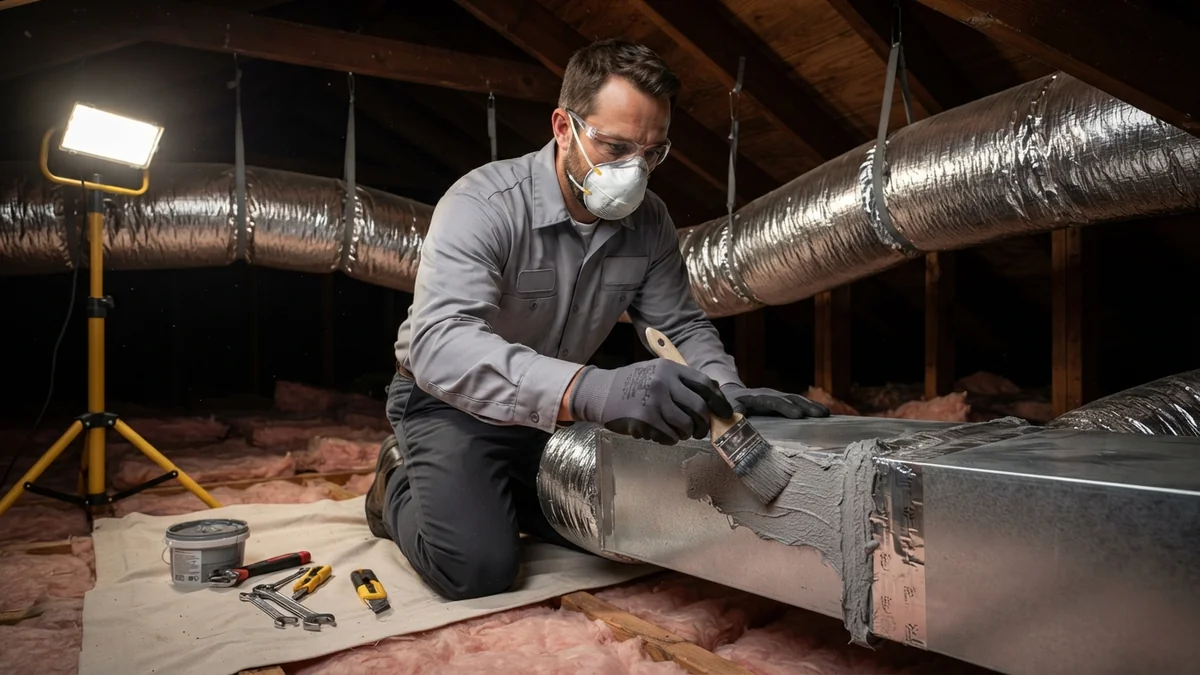
Comprehensive Ductwork Repair and Sealing for Beaumont Homes
Your central air conditioner and furnace can only perform as well as the ductwork distribution network connected to them. In Beaumont, Texas, where attic temperatures routinely surge past 140 degrees Fahrenheit during summer afternoons, conditioned air traveling through compromised, leaking, or poorly insulated ducts absorbs intense heat before ever reaching your living areas. If your home has rooms that never stay cool, uneven temperatures between bedrooms, or unexplained spikes in your monthly Entergy electric bills, the root cause is almost certainly inside your attic.
As part of our comprehensive HVAC services directory, our ductwork division connects homeowners and commercial property managers with qualified, professional technicians who specialize in static pressure balancing, duct sealing, and distribution redesign. We do not apply temporary cloth duct tape patches that degrade within months. Instead, our participating technicians utilize professional-grade, fiber-reinforced water-based mastic, UL-181 rated aluminum foil tape, and high-performance R-8 insulated flexible and sheet metal ducting.
Whether balancing airflow across a sprawling residence in the West End of Beaumont, retrofitting an older home with undersized return grilles in Calder Place, or eliminating attic air infiltration in Groves, our field dispatch network ensures your duct system is engineered for balanced airflow and optimal energy efficiency.
The Severe Impact of Leaking Attic Ducts in Southeast Texas
According to the Department of Energy, the average residential duct system loses between 20 and 30 percent of its conditioned air through leaks, holes, and poor connections. In Southeast Texas, where attics are unconditioned, superheated, and humid, duct leakage causes severe operational problems:
+---------------------------------------------------------------------------------------------------+
|                                 CONSEQUENCES OF ATTIC DUCTWORK LEAKS                              |
+------------------------------+----------------------------------+---------------------------------+
| Leak Location                | Physical Mechanism               | Resulting Homeowner Problem     |
+------------------------------+----------------------------------+---------------------------------+
| Supply Duct Leaks            | Pushes cold, expensive conditioned| Massive electric bill waste;    |
| (Leaving the Air Handler)    | air directly into hot attic space| weak airflow from supply vents  |
+------------------------------+----------------------------------+---------------------------------+
| Return Duct Leaks            | Negative pressure pulls 140°F,   | Overwhelms AC capacity; spikes  |
| (Entering the Air Handler)   | 90% humidity attic air into home | indoor humidity and mold risk   |
+------------------------------+----------------------------------+---------------------------------+
| Disconnected Duct Run        | Entire branch dumps cold air into| Severe hot room; system runs    |
| (Serving a Specific Bedroom) | attic; room has zero airflow     | continuously without cooling    |
+------------------------------+----------------------------------+---------------------------------+
| Deteriorated Outer Jacket    | Humid attic air contacts cold    | Condensation pools on ceiling;  |
| (Sweating Attic Ducts)       | inner core; causes water drips   | damages sheetrock drywall below |
+------------------------------+----------------------------------+---------------------------------+
| Undersized Return Grilles    | Blower motor is choked for air;  | Frozen evaporator coil; high    |
| (High Static Pressure)       | static pressure exceeds 0.8" WC  | electricity consumption and wear|
+------------------------------+----------------------------------+---------------------------------+
The Invisible Thermal Sponge: Attic Return Air Infiltration
While supply leaks waste cooled air, return air leaks are far more destructive to indoor comfort. Your HVAC system operates on a closed air loop: the blower motor creates negative pressure, pulling air from your living space through the return grilles, passing it across the evaporator coil, and redistributing it through the supply registers.
If a return plenum seam in your attic is unsealed, or if a flexible return duct has separated from its collar, the negative pressure pulls superheated 140-degree attic air and fiberglass insulation dust directly into the air handler.
Instead of cooling 75-degree household air, your air conditioner must now cool 130-degree, moisture-laden attic air. This completely overwhelms the unit's cooling capacity, spikes indoor relative humidity, clogs the indoor coil with insulation dust, and dramatically increases monthly utility bills.
For related indoor humidity management, visit our Indoor Air Quality Solutions page.
Static Pressure Balancing: The Heart of Balanced Cooling
Many homeowners assume that a room that stays hot in summer simply needs a larger air conditioner. In reality, adding a larger tonnage system to existing ductwork often worsens the problem. Every duct system is engineered to handle a specific volume of airflow, measured in Cubic Feet per Minute (CFM), at a specific External Static Pressure (ESP), typically 0.5 inches of water column (" WC).
+---------------------------------------------------------------------------------------------------+
|                                 STATIC PRESSURE IMPACT ON SYSTEM HEALTH                           |
+------------------------------+--------------------+-----------------------------------------------+
| Total External Static Press. | Operational State  | Resulting System Behavior                     |
+------------------------------+--------------------+-----------------------------------------------+
| Below 0.50" WC               | Optimal Airflow    | Quiet operation, balanced cooling, low wear   |
+------------------------------+--------------------+-----------------------------------------------+
| 0.55" to 0.70" WC            | Elevated Pressure  | Increased blower noise, slight CFM reduction  |
+------------------------------+--------------------+-----------------------------------------------+
| 0.75" to 0.90" WC            | Severe Restriction | Choked airflow, frozen coils, hot bedrooms    |
+------------------------------+--------------------+-----------------------------------------------+
| Above 0.90" WC               | Critical Hazard    | ECM blower motor burnout, cracked heat exch.  |
+------------------------------+--------------------+-----------------------------------------------+
The Danger of Undersized Return Air
In older Beaumont homes, return air pathways are frequently undersized. A standard rule of thumb requires 400 CFM of airflow per ton of cooling capacity. A 4-ton air conditioning system requires approximately 1,600 CFM of return air, which necessitates at least 400 square inches of return grille surface area.
If a 4-ton system is connected to a single 20x20-inch return grille (offering only 400 gross square inches, which provides far less net free area), the blower motor is starved for air. The motor works harder, draws higher electrical amperage, and generates excessive static pressure. Airflow across the evaporator coil drops, leading to frozen coils, short compressor lifespans, and hot rooms furthest from the air handler. Our technicians measure static pressure using digital manometers and install additional dedicated return grilles to restore proper airflow balance.
To learn more about system sizing, review our AC Installation in Beaumont page.
Core Ductwork Solutions for Beaumont Homes
Our participating technicians provide engineered, permanent duct distribution solutions:
+---------------------------------------------------------------------------------------------------+
|                                 DUCTWORK REMEDIATION SERVICES                                     |
+------------------------------+----------------------------------+---------------------------------+
| Service Category             | Technical Scope of Work          | Expected Performance Result     |
+------------------------------+----------------------------------+---------------------------------+
| Mastic Air Leak Sealing      | Seal all plenum seams, takeoffs, | Eliminates 20% to 30% attic air |
|                              | and boot collars with UL-181     | leakage; lowers electric bills  |
+------------------------------+----------------------------------+---------------------------------+
| R-8 Flexible Ductwork        | Replace crushed, deteriorating   | Prevents attic heat transfer;   |
| Replacement                  | flex duct with high-R insulation | eliminates duct condensation    |
+------------------------------+----------------------------------+---------------------------------+
| Dedicated Return Air Addition| Cut in new ceiling returns and   | Lowers total static pressure;   |
|                              | install dedicated insulated flex | protects blower motor from wear |
+------------------------------+----------------------------------+---------------------------------+
| Supply Branch Balancing      | Install manual volume dampers to | Balances air delivery, ensuring |
|                              | regulate CFM airflow to each room| even temps across every bedroom |
+------------------------------+----------------------------------+---------------------------------+
1. Professional Mastic and UL-181 Foil Sealing
Standard cloth-backed "duct tape" is completely unsuitable for HVAC duct sealing; the adhesive dries out, becomes brittle, and fails within two to three years in hot attics. Our technicians use fiber-reinforced, water-based mastic sealant applied with a brush over structural fiberglass mesh tape, or heavy-duty UL-181 rated aluminum foil tape.
This creates an airtight, flexible seal over all plenum connections, branch collars, and register boots that will not degrade under attic temperatures exceeding 140 degrees.
2. High-Performance R-8 Flexible Duct Installation
Older Beaumont homes frequently feature flexible ductwork with R-4.2 or R-6 insulation. Under current Texas building energy codes, attic ductwork should feature a minimum of R-8 insulation. Upgrading to R-8 flex duct prevents thermal heat gain through the duct walls, ensuring that 55-degree conditioned air leaving your evaporator coil arrives at your bedroom registers without picking up attic heat.
Furthermore, our technicians install proper hanging straps every four feet to prevent kinks, sags, and crushed sections that restrict airflow.
To learn about emergency cooling issues caused by airflow restrictions, visit our Emergency HVAC Troubleshooting page.
Our Standardized Four-Stage Airflow Audit Protocol
When you schedule a ductwork evaluation, our technicians follow an empirical diagnostic process:
+---------------------------------------------------------------------------------------------------+
|                               OUR AIRFLOW AUDIT PROTOCOL                                          |
+------------------------------+----------------------------------+---------------------------------+
| Audit Stage                  | Testing Procedures               | Diagnostic Finding              |
+------------------------------+----------------------------------+---------------------------------+
| Stage 1: Static Pressure     | Digital manometer probes in      | Pinpoints severe airflow choke  |
| Differential Testing         | return and supply plenums        | points and blower restrictions  |
+------------------------------+----------------------------------+---------------------------------+
| Stage 2: Attic Physical      | Visual and thermal camera audit  | Identifies torn flex ducts,     |
| Inspection                   | of all connections and insulation| crushed runs, and missing mastic|
+------------------------------+----------------------------------+---------------------------------+
| Stage 3: Room-by-Room Airflow| Anemometer capture hood testing  | Determines whether hot bedrooms |
| Delivery (CFM) Audit         | at every supply register         | receive adequate CFM cooling    |
+------------------------------+----------------------------------+---------------------------------+
| Stage 4: Return Air Capacity | Calculate total return grille    | Identifies whether system needs |
| Verification                 | net free area vs. system tonnage | an additional return air drop   |
+------------------------------+----------------------------------+---------------------------------+
To learn about routine cooling tune-ups, explore our AC Maintenance in Beaumont page.
What Determines Ductwork Repair and Replacement Costs?
Ductwork pricing varies depending on home size, attic access, and the scope of work required:
+---------------------------------------------------------------------------------------------------+
|                                 DUCTWORK BUDGETING BREAKDOWN                                      |
+------------------------------+----------------------------------+---------------------------------+
| Scope of Ductwork Service    | Typical Cost Range               | Cost Factors Involved           |
+------------------------------+----------------------------------+---------------------------------+
| Supply and Return Plenum       | $450 to $950                     | Mastic sealing of all equipment |
| Mastic Air Sealing           |                                  | transitions and branch collars  |
+------------------------------+----------------------------------+---------------------------------+
| Dedicated Return Air Drop    | $550 to $1,100                   | Cutting ceiling drywall, adding |
| (New Grille and Flex Duct)     |                                  | R-8 flex duct, grille, box      |
+------------------------------+----------------------------------+---------------------------------+
| Single Duct Run Replacement  | $250 to $450 per run             | Replacing damaged, crushed, or  |
| (R-8 Insulated Flexible)     |                                  | disconnected bedroom duct run   |
+------------------------------+----------------------------------+---------------------------------+
| Complete Whole-Home Ductwork | $3,500 to $7,500+                | Full removal of old ducts; new  |
| Replacement and Redesign     | (based on home size)             | custom plenums, R-8 flex, boots |
+------------------------------+----------------------------------+---------------------------------+
Mandatory Regional Pricing Disclosure: Estimates are for budgeting purposes only. Actual prices vary based on on-site conditions, equipment capacity requirements, duct configuration, and manufacturer specifications in Southeast Texas.
For complete pricing details across common HVAC repairs, review our AC Repair Cost Guide.
Clean-Tech Protocols and Professional Standards
Working in attics requires extreme care to prevent insulation and dust from contaminating your living space. Our participating technicians strictly enforce our clean-tech standards:
- Sanitized Protective Shoe Covers: Technicians slip durable shoe booties over work boots before entering your home.
- Protective Canvas Drop Cloths: Floor runners are placed beneath attic stairs, inside equipment closets, and around tool staging areas.
- Thorough Site Cleanup: Technicians vacuum loose insulation, sweep debris, and haul away scrap duct materials.
- Prior Written Authorization: Work only proceeds after you review and authorize a clear project estimate with itemized labor and materials.
Learn more about our technician vetting standards and company ethics on our About Us page.
Frequently Asked Questions About Ductwork Services
Why is one bedroom in my Beaumont home always hotter than the others?
Uneven cooling between rooms is almost always caused by one of three ductwork issues: an undersized supply duct branch that cannot deliver sufficient CFM volume; a long, crushed, or sagging flexible duct run that restricts airflow; or poor return air circulation that prevents warm air from being drawn out of the bedroom when the door is closed. Technicians balance airflow using dampers, upsize duct branches, or install dedicated return paths to resolve hot spots.
How do I know if my attic ductwork is leaking?
Common signs of leaking ductwork include rooms that never reach the thermostat setpoint, high indoor relative humidity despite the AC running, unexplained spikes in your electric utility bills, visible dust blowing from supply registers, and rooms that feel stuffy or smell like dusty attic insulation.
How long does flexible ductwork typically last in Southeast Texas attics?
In Beaumont attics, where summer temperatures regularly reach 140 degrees, standard flexible ductwork typically lasts 15 to 20 years. Over time, the outer plastic vapor barrier jacket degrades, the fiberglass insulation compresses, and inner core adhesive breaks down, leading to air leaks and thermal heat gain. Upgrading to modern R-8 flexible ducting restores optimal thermal performance.
Can sealing my ductwork lower my monthly electric bills?
Yes. Sealing duct leaks with fiber-reinforced mastic and foil tape can reduce cooling energy consumption by 15 to 25 percent. By ensuring that 100 percent of your conditioned air reaches your living space rather than leaking into the attic, your air conditioner cools your home faster and cycles off sooner.
Schedule a Ductwork Airflow Evaluation in Beaumont Today
Stop paying to cool your attic and eliminate persistent hot rooms in your home. Contact HVAC Beaumont today to schedule an on-site ductwork inspection, static pressure test, or airflow balancing consultation with clear project estimates and experienced, professional technicians.
- Direct Telephone Dispatch: (409) 404-1746
- Office Location: 350 Pine St, Suite 700, Beaumont, TX 77701
- Service Territory: Beaumont, Nederland, Port Neches, Groves, Lumberton, Port Arthur, and surrounding Jefferson County communities.
- Online Service Request: Fill out our confidential intake form on this page for prompt follow-up from our local coordination desk.
Need Immediate Service?
Speak directly with our local response crew for prompt dispatch, upfront diagnostics, and clear project estimates in Beaumont.
Call (409) 404-1746Complementary Services
Local Service Territory
Our 4-Step HVAC Service Protocol
Engineered to guarantee punctuality, upfront technical clarity, and verified Southeast Texas climate compliance.
Direct Intake and Route
Direct telephone contact with our Beaumont field desk to document symptoms, evaluate water overflow risks, and route the closest service unit.
Empirical Diagnostic
Comprehensive physical testing of your condenser, blower motor, refrigerant pressures, static airflow, and electrical capacitors without guesswork.
Clear Project Estimate
We explain the root mechanical cause and present a transparent, itemized written estimate for your authorization prior to starting repairs.
Precision Execution
Precision execution using OEM components, thorough vacuum cleanup, temperature split verification, and final homeowner sign-off.
Request an HVAC Estimate in Beaumont
Submit your project details for rapid follow-up and clear project estimates.
Speak Directly With Our Field Dispatch Desk
Connect immediately with our local response crew for prompt dispatch, clear project estimates, and verified Southeast Texas climate performance.