Furnace and Heating Repair in Beaumont, TX
Safe, reliable gas furnace and heating system diagnostics across Beaumont and Jefferson County. Connect directly with experienced technicians for clear project estimates.
Direct Field Dispatch Desk
Connect directly with our local response crew. No automated phone trees.
(409) 404-1746Quick Service Highlights — Furnace and Heating Repair
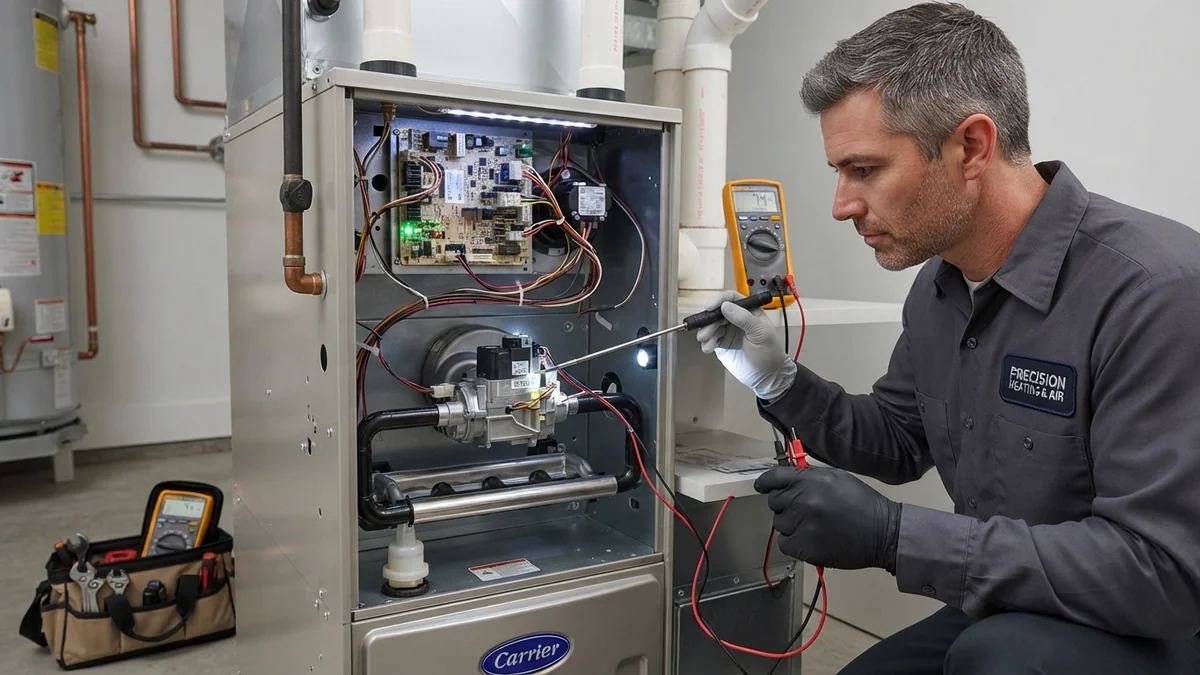
Dependable Heating and Furnace Repair for Beaumont Property Owners
While Southeast Texas is renowned for extended, humid summers, winter along the upper Texas Gulf Coast brings sudden, unpredictable coastal cold snaps. When arctic cold fronts plunge through Jefferson County, dropping temperatures into the 20s and 30s, having a safe, dependable heating system is vital for household comfort, family safety, and plumbing freeze protection.
As part of our comprehensive HVAC services directory, our heating repair division connects homeowners and commercial facility managers with qualified, background-vetted technicians who specialize in gas furnace and electric heating diagnostics. Heating systems in Beaumont sit dormant in hot, humid attics and closets for eight to nine months of the year, which can lead to dust accumulation on burners, corroded electrical terminals, and stuck mechanical valves. When heating is suddenly called upon during the first freeze of the year, these dormant components frequently fail.
Whether addressing a cracked hot surface ignitor in Calder Place, a dirty flame sensor causing furnace short-cycling in the West End of Beaumont, or an electric air handler with failed heat strips in Nederland, our field dispatch network ensures prompt technician routing, thorough safety diagnostics, and clear project estimates before work begins.
Gas Furnace Safety: Combustion and Carbon Monoxide Protection
Unlike cooling equipment that transfers heat via refrigerant, a gas furnace involves the direct combustion of natural gas or propane inside your home. Because incomplete combustion generates carbon monoxide (CO)—a colorless, odorless, and potentially lethal gas—heating diagnostics must prioritize safety above all else.
+---------------------------------------------------------------------------------------------------+
|                                 GAS FURNACE SAFETY CHECKPOINTS                                    |
+------------------------------+----------------------------------+---------------------------------+
| Critical Safety Component    | Mechanical Function              | Failure Risk if Neglected       |
+------------------------------+----------------------------------+---------------------------------+
| Heat Exchanger Assembly      | Separates toxic combustion gases | Microscopic cracks allow carbon |
|                              | from breathable indoor air stream| monoxide to enter duct airflow  |
+------------------------------+----------------------------------+---------------------------------+
| Flame Rollout Switches       | Senses flames rolling back out   | Tripping indicates restricted   |
|                              | of the burner combustion box     | flue draft or cracked exchanger |
+------------------------------+----------------------------------+---------------------------------+
| Draft Inducer Blower and       | Draws combustion air and exhausts| System refuses to ignite if     |
| Pressure Switch Safety Loop  | flue gases through the chimney   | flue vent is blocked or inducer |
+------------------------------+----------------------------------+---------------------------------+
| Flame Rectification Sensor   | Confirms active flame presence to| Shuts off gas valve after 3 to  |
|                              | allow gas valve to remain open   | 5 seconds if sensor is oxidized |
+------------------------------+----------------------------------+---------------------------------+
| High-Limit Temperature       | Shuts down burners if internal   | Prevents furnace cabinet        |
| Safety Switch                | plenum exceeds safe temperatures | overheating and fire hazards    |
+------------------------------+----------------------------------+---------------------------------+
The Invisible Hazard: Heat Exchanger Fractures
The heat exchanger is the metallic heart of a gas furnace. Burning gas flames circulate through metal tubes, heating the exterior surface while an indoor blower pushes household air across the outside of the tubes into your ductwork. Over years of thermal expansion and contraction, metal fatigue can cause hairline cracks or rust perforations to develop in the seams.
If a heat exchanger develops a crack, combustion byproducts containing carbon monoxide can be drawn directly into your home's conditioned air stream. Our participating technicians utilize digital borescopes and electronic combustion analyzers to inspect heat exchanger interiors during diagnostic service calls, ensuring complete structural integrity.
To learn more about emergency safety response, explore our Emergency HVAC Troubleshooting page.
Common Heating Failure Modes in Southeast Texas
Because Beaumont furnaces operate for relatively short seasonal intervals, failures often stem from moisture, corrosion, and electrical component degradation:
+---------------------------------------------------------------------------------------------------+
|                                 COMMON HEATING AND FURNACE BREAKDOWNS                             |
+------------------------------+----------------------------------+---------------------------------+
| Observable Symptom           | Mechanical Root Cause            | Diagnostic Action Taken         |
+------------------------------+----------------------------------+---------------------------------+
| Furnace Blower Blows Cold Air| Hot surface ignitor broken, or   | Test ignitor resistance (ohms); |
| Without Igniting Burners     | flame sensor oxidized with soot  | clean flame rod with steel wool |
+------------------------------+----------------------------------+---------------------------------+
| Burners Light for 3 to 5     | Dirty flame rectification sensor | Measure DC microamps through    |
| Seconds, Then Shut Down      | failing to detect flame current  | flame sensor circuit            |
+------------------------------+----------------------------------+---------------------------------+
| Blower Motor Runs Non-Stop;  | Tripped high-limit safety switch | Inspect air filter; measure     |
| Burners Refuse to Light      | caused by severe airflow choke   | external duct static pressure   |
+------------------------------+----------------------------------+---------------------------------+
| Humming Sound from Cabinet;  | Seized draft inducer fan motor   | Test 120V feed to inducer;      |
| Furnace Refuses to Start     | or stuck pressure switch hose    | clear moisture from sensor tube |
+------------------------------+----------------------------------+---------------------------------+
| Burning Plastic or Ozone     | Failed sequencer relay on        | Inspect sequencer contacts and  |
| Smell in Electric Furnace    | auxiliary electric heat strips   | measure individual element amps |
+------------------------------+----------------------------------+---------------------------------+
1. Broken Hot Surface Ignitors (HSI)
Modern gas furnaces do not use standing pilot lights. Instead, they utilize electronic hot surface ignitors made of silicon carbide or silicon nitride. When the thermostat calls for heat, the ignitor glows red-hot (exceeding 2,000 degrees Fahrenheit) to light the gas burners. Because these ceramic components are thin and fragile, thermal cycling eventually causes them to crack and break. Our technicians test ignitor resistance with a multimeter and carry universal heavy-duty ignitors on their service vehicles for immediate replacement.
2. Oxidized Flame Rectification Sensors
The flame sensor is a thin metal rod that sits directly in the path of the burner flame. Through a process called flame rectification, the ionized gas flame conducts a tiny electrical current (measured in microamps) from the sensor to the control board, confirming that the flame is lit.
Over months of dormant summer humidity, a thin layer of silica and metal oxidation coats the sensor rod. When the furnace starts, the sensor cannot detect the microamp current, causing the control board to shut off the gas valve after three seconds as a safety precaution. Cleaning the sensor rod with fine abrasive cloth typically restores reliable operation.
3. Draft Inducer Motor and Pressure Switch Issues
Before gas can enter the burners, a small draft inducer fan motor must turn on to pull fresh combustion air into the burner box and exhaust flue gases out through the roof vent. A mechanical pressure switch verifies that this exhaust draft is present. If dirt or insects block the pressure switch vacuum tube, or if the inducer motor bearings seize, the pressure switch will not close, preventing the furnace from attempting ignition.
For year-round electric heating alternatives, review our Heat Pump Services page.
Electric Furnace and Air Handler Heating Repairs
Many homes in Beaumont utilize all-electric heating systems consisting of electric resistance heat strip packages installed inside the indoor air handler:
+---------------------------------------------------------------------------------------------------+
|                                 ELECTRIC HEATING STRIP COMPONENTS                                 |
+------------------------------+----------------------------------+---------------------------------+
| Component Name               | Function in Electric Furnace     | Common Failure Mode             |
+------------------------------+----------------------------------+---------------------------------+
| Nichrome Heating Elements    | High-resistance metal coils that | Element snaps due to thermal    |
| (5 kW to 20 kW Packages)     | generate heat when energized     | stress, causing loss of heat    |
+------------------------------+----------------------------------+---------------------------------+
| Thermal Limit Switches       | High-temperature safety discs    | Weakened switch trips at low    |
|                              | that cut power if airflow stops  | temps, shutting down heat early |
+------------------------------+----------------------------------+---------------------------------+
| Sequencer Relays             | Staggers heating elements to     | Stuck contacts leave elements on|
|                              | prevent massive power surges     | continuously, spiking power bill|
+------------------------------+----------------------------------+---------------------------------+
Electric heat packages draw significant electrical current (typically 30 to 60 amps at 240 volts). Our technicians inspect wiring connections for signs of thermal discoloration, test heating element continuity, and replace failing sequencers to ensure safe, even electric heating.
Our Standardized Heating Diagnostic Protocol
When a technician arrives at your property, you receive a comprehensive diagnostic inspection designed to ensure complete operating safety:
+---------------------------------------------------------------------------------------------------+
|                               OUR HEATING DIAGNOSTIC WORKFLOW                                     |
+------------------------------+----------------------------------+---------------------------------+
| Stage                        | Diagnostic Procedures            | Safety and Comfort Benefit      |
+------------------------------+----------------------------------+---------------------------------+
| 1. Electrical and Control Loop | Test 24V transformer, safety     | Identifies open limit switches  |
|    Verification              | interlocks, and thermostat call  | and failed control boards       |
+------------------------------+----------------------------------+---------------------------------+
| 2. Flue Draft and Pressure   | Verify draft inducer amp draw,   | Ensures complete removal of     |
|    Switch Safety Audit       | check flue piping, test switch   | hazardous combustion exhaust    |
+------------------------------+----------------------------------+---------------------------------+
| 3. Ignition and Combustion   | Test ignitor resistance, clean   | Ensures smooth, safe ignition   |
|    Sequence Analysis         | flame sensor, test gas pressure  | without delayed gas explosions  |
+------------------------------+----------------------------------+---------------------------------+
| 4. Heat Exchanger Integrity  | Borescope inspection of seams;   | Detects hairline cracks and     |
|    and Carbon Monoxide Check | ambient carbon monoxide testing  | prevents toxic gas poisoning    |
+------------------------------+----------------------------------+---------------------------------+
To learn about seasonal tune-up schedules, explore our AC Maintenance in Beaumont page.
What Determines Heating and Furnace Repair Costs?
We believe in complete pricing transparency. Following the initial diagnostic inspection, you receive an itemized, clear project estimate detailing all parts and labor before work begins:
+---------------------------------------------------------------------------------------------------+
|                                 TYPICAL FURNACE REPAIR COST FACTORS                               |
+------------------------------+----------------------------------+---------------------------------+
| Repair Category              | Typical Cost Range               | Primary Cost Variables          |
+------------------------------+----------------------------------+---------------------------------+
| Diagnostic Service Call      | $79 to $129                      | Travel transit, safety check,   |
|                              |                                  | and multi-meter empirical tests |
+------------------------------+----------------------------------+---------------------------------+
| Minor Ignition and Sensors     | $150 to $375                     | Hot surface ignitors, flame     |
|                              |                                  | sensors, and safety switches    |
+------------------------------+----------------------------------+---------------------------------+
| Gas Valves and Inducer Motors  | $400 to $950                     | OEM gas manifold valves, draft  |
|                              |                                  | inducer blowers, control boards |
+------------------------------+----------------------------------+---------------------------------+
| Major Heat Exchanger Work    | $1,500 to $3,200+                | Heat exchanger replacement or   |
|                              |                                  | full system replacement         |
+------------------------------+----------------------------------+---------------------------------+
Mandatory Regional Pricing Disclosure: Estimates are for budgeting purposes only. Actual prices vary based on on-site conditions, equipment capacity requirements, duct configuration, and manufacturer specifications in Southeast Texas.
For a comprehensive review of repair and replacement costs, visit our AC Repair Cost Guide.
Clean-Tech Protocols and Professional Standards
Our participating technicians treat your property with absolute care on every service visit:
- Sanitized Protective Shoe Covers: Technicians slip clean shoe booties over work boots before entering your home.
- Protective Canvas Drop Cloths: Floor runners are placed beneath attic stairs, inside equipment closets, and around tool staging areas.
- Thorough Site Cleanup: Technicians vacuum loose insulation, sweep debris, and remove all replaced components and packaging.
- Prior Written Authorization: Work only proceeds after you review and authorize a clear project estimate with itemized labor and materials.
Learn more about our technician vetting standards and company ethics on our About Us page.
Frequently Asked Questions About Furnace Repair
Why does my furnace smell like something is burning when I turn it on for the first time?
During Beaumont's long summer, dust, pet hair, and airborne fibers settle on the cold burner tubes and heat exchanger surfaces inside your furnace. When you turn on your heat for the first time in autumn, that accumulated dust burns off, producing a brief, distinctive burning odor. This smell should dissipate within 20 to 30 minutes. If the odor smells strongly of burning plastic or wiring, or persists for hours, shut off the furnace immediately and schedule an inspection.
How often should I replace the air filter during the winter?
Even in winter, check your return air filter every 30 days and replace it at least every 60 to 90 days. A clogged air filter restricts airflow across the heat exchanger, causing internal temperatures to rise until the high-limit switch trips, shutting down the burners to prevent cabinet damage.
Can a cracked heat exchanger be repaired, or does it require replacement?
Building codes and safety standards prohibit repairing a cracked heat exchanger with welding or sealants due to extreme thermal expansion and contraction. A cracked heat exchanger must either be replaced with an OEM factory assembly or, if the furnace is older than 12 to 15 years, the entire furnace should be replaced with a modern high-efficiency unit.
Do I need a carbon monoxide detector if I have a gas furnace?
Yes. The International Residential Code (IRC) mandates that all homes with fuel-burning appliances (including natural gas furnaces, water heaters, and fireplaces) feature working carbon monoxide alarms on each level of the home and outside sleeping areas. Test your alarms monthly and replace batteries annually.
Schedule Heating and Furnace Service in Beaumont Today
Ensure your heating system operates safely, efficiently, and dependably when cold weather strikes Southeast Texas. Contact HVAC Beaumont today to schedule furnace diagnostics, seasonal heating maintenance, or system replacement with clear project estimates and experienced, professional technicians.
- Direct Telephone Dispatch: (409) 404-1746
- Office Location: 350 Pine St, Suite 700, Beaumont, TX 77701
- Service Territory: Beaumont, Nederland, Port Neches, Groves, Lumberton, Port Arthur, and surrounding Jefferson County communities.
- Online Service Request: Fill out our confidential intake form on this page for prompt follow-up from our local dispatch desk.
Need Immediate Service?
Speak directly with our local response crew for prompt dispatch, upfront diagnostics, and clear project estimates in Beaumont.
Call (409) 404-1746Complementary Services
Local Service Territory
Our 4-Step HVAC Service Protocol
Engineered to guarantee punctuality, upfront technical clarity, and verified Southeast Texas climate compliance.
Direct Intake and Route
Direct telephone contact with our Beaumont field desk to document symptoms, evaluate water overflow risks, and route the closest service unit.
Empirical Diagnostic
Comprehensive physical testing of your condenser, blower motor, refrigerant pressures, static airflow, and electrical capacitors without guesswork.
Clear Project Estimate
We explain the root mechanical cause and present a transparent, itemized written estimate for your authorization prior to starting repairs.
Precision Execution
Precision execution using OEM components, thorough vacuum cleanup, temperature split verification, and final homeowner sign-off.
Request an HVAC Estimate in Beaumont
Submit your project details for rapid follow-up and clear project estimates.
Speak Directly With Our Field Dispatch Desk
Connect immediately with our local response crew for prompt dispatch, clear project estimates, and verified Southeast Texas climate performance.